
Water Heater Burst Cleanup: Complete Guide for East Tennessee Homeowners
When a water heater bursts in your East Tennessee home, every minute counts. Water can cause catastrophic damage in a very short time, especially when it’s actively spraying under pressure. Whether you’re dealing with a sudden rupture or a slow leak that’s escalated, understanding the proper cleanup process can mean the difference between minor repairs and major reconstruction.
This comprehensive guide covers everything you need to know about water heater burst cleanup, from immediate emergency response to long-term prevention strategies. While some minor water incidents can be addressed by homeowners, water heater failures often require professional intervention to prevent serious structural damage and health risks.
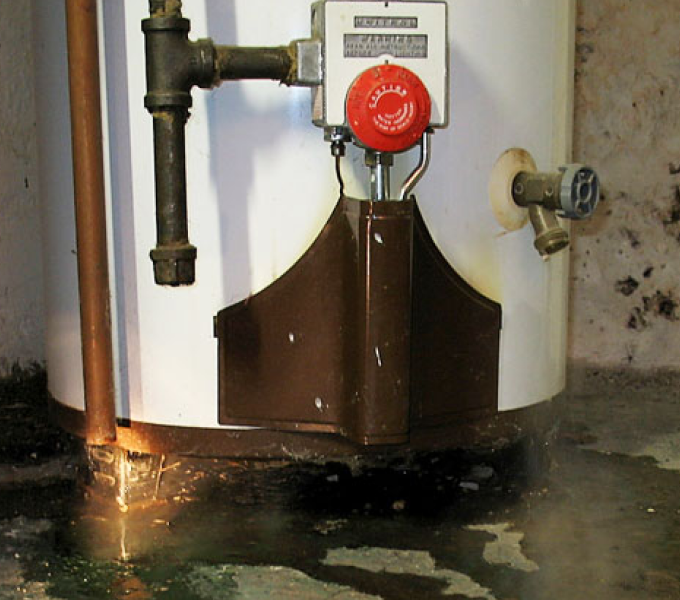
Immediate Emergency Response
The first priority is safety. Before attempting any cleanup, follow these critical steps:
Shut off the water supply immediately. Most water heaters have a shut-off valve on the cold water inlet pipe. If you can’t locate it or it’s not working, shut off the main water supply to your home. In East Tennessee, many homes have crawl spaces where the main shutoff is located, though some may require shutting off water at the street meter.
Turn off power to the water heater. For electric units, turn off the breaker at your electrical panel. For gas units, turn off the gas supply valve and ensure proper ventilation to prevent gas buildup.
Evacuate if necessary. If water is actively flooding your home, especially in basements or areas with electrical equipment, evacuate immediately and call professionals. Standing water and electricity create deadly hazards.
Document the damage immediately. Take photos and videos of the burst water heater, the water damage, and affected areas before beginning any cleanup. This documentation is crucial for insurance claims and helps restoration professionals assess the scope of work needed.
Contact your insurance company as soon as it’s safe to do so. Many policies require prompt notification of water damage claims.
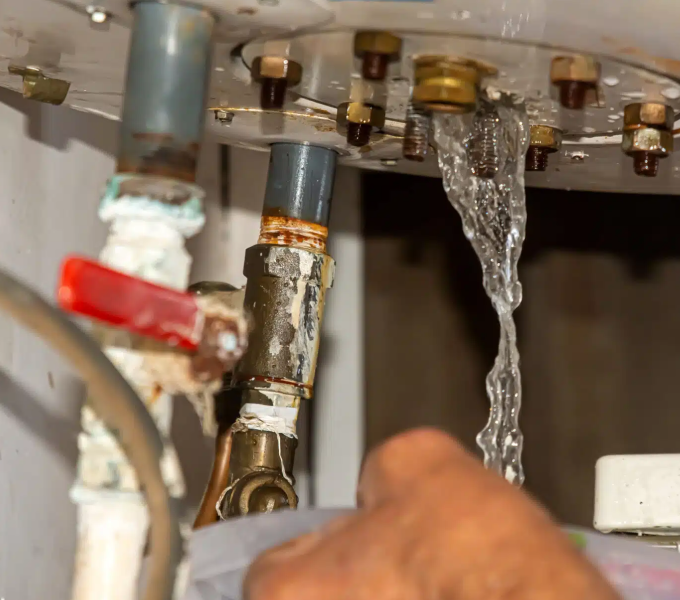
Understanding Water Heater Burst Damage
Water heater failures can occur from various causes, each presenting different cleanup challenges:
Age and deterioration are the most common causes. Most water heaters last 8-12 years, and older units are prone to tank corrosion and failure. In East Tennessee’s hard water areas, mineral buildup can accelerate deterioration.
Pressure issues can cause catastrophic failures. If your home lacks a pressure reducing valve (PRV), high city water pressure can stress the tank until it ruptures. We see this frequently in East Tennessee homes where water pressure exceeds safe levels.
Temperature and pressure relief valve failures can lead to dangerous pressure buildup and eventual tank rupture.
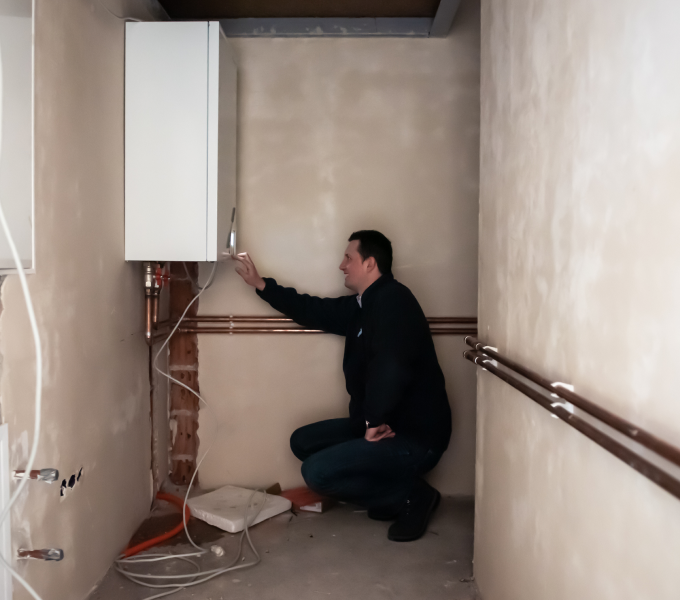
Improper installation or maintenance can result in premature failure and more extensive damage.
The type of water involved determines the cleanup approach:
Water heater bursts are particularly damaging because they involve active water flow under pressure. Unlike slow leaks, a burst tank can flood thousands of square feet in hours, especially if the failure occurs overnight or when nobody is home.
Understanding Water Heater Burst Damage
Water heater failures can occur from various causes, each presenting different cleanup challenges:
Age and deterioration are the most common causes. Most water heaters last 8-12 years, and older units are prone to tank corrosion and failure. In East Tennessee’s hard water areas, mineral buildup can accelerate deterioration.
Pressure issues can cause catastrophic failures. If your home lacks a pressure reducing valve (PRV), high city water pressure can stress the tank until it ruptures. We see this frequently in East Tennessee homes where water pressure exceeds safe levels.
Temperature and pressure relief valve failures can lead to dangerous pressure buildup and eventual tank rupture.
Improper installation or maintenance can result in premature failure and more extensive damage.
The type of water involved determines the cleanup approach:
Water heater bursts are particularly damaging because they involve active water flow under pressure. Unlike slow leaks, a burst tank can flood thousands of square feet in hours, especially if the failure occurs overnight or when nobody is home.
Step-by-Step Cleanup Process
Emergency Water Removal for Failed Water Heaters
Safety equipment is essential. At minimum, wear N-95 respirators, waterproof gloves, goggles, long pants, long-sleeve shirts, and rubber boots. This protects against contamination and potential mold exposure.
Water extraction must happen quickly. Use wet/dry vacuums for small amounts, but significant flooding requires professional truck-mounted extraction equipment. The longer water sits, the more damage it causes to building materials and the higher the risk of mold growth.
Remove damaged materials systematically. This includes:
Clean and disinfect all affected surfaces. Use a chlorine solution (½ cup bleach per gallon of water) on hard surfaces. However, never use bleach on mold – this can actually make the problem worse by feeding surviving mold spores.
Professional assessment is crucial even for seemingly minor water heater bursts. Water follows the path of least resistance, often traveling behind walls, under flooring, and into structural areas you cannot see. A professional damage assessment uses moisture mapping to identify all affected areas.
Drying and Dehumidification
Time is critical – you have a 24-48 hour window to dry materials before mold growth begins. This window is even shorter in East Tennessee’s humid climate or if the water is warm.
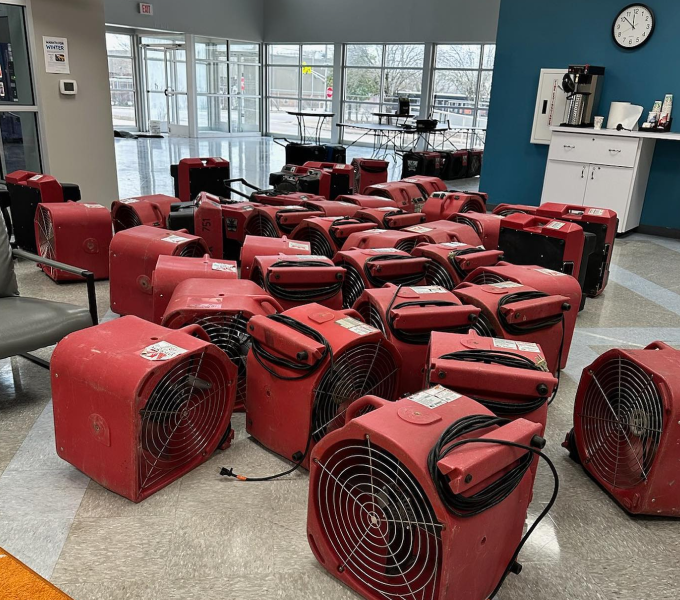
Professional-grade equipment makes the difference. Industrial dehumidifiers, high-velocity air movers, and specialized drying equipment can extract moisture from building materials that household fans and dehumidifiers cannot reach.
Moisture monitoring is essential. Professional restoration companies use moisture meters to track drying progress in walls, subfloors, and other structural elements. Visual inspection alone cannot determine if materials are truly dry.
Proper airflow patterns must be established to prevent spreading contamination and ensure effective drying. This often requires strategic placement of equipment and may involve creating containment areas.
Mold Prevention and Remediation
Mold growth begins within 24-48 hours of water exposure, especially in East Tennessee’s humid climate. Prevention is always better than remediation.
Early warning signs include musty odors, visible growth, or respiratory symptoms in occupants. However, mold often grows in hidden areas like wall cavities, under flooring, or in crawl spaces.
Professional mold prevention involves:
If mold is discovered, professional remediation is typically required. DIY mold removal can actually spread spores throughout your home and create larger problems. Professional remediation follows EPA guidelines and includes proper containment, removal, and air filtration.
Insurance Claims and Documentation
Document everything before cleanup begins. Take extensive photos and videos of the burst water heater, all water damage, and affected personal belongings. This documentation is crucial for insurance claims.
Keep detailed records of all communications with your insurance company, including claim numbers, adjuster names, and dates of conversations.
Most homeowner’s insurance covers sudden and accidental water damage, including water heater bursts. However, coverage may be limited if the failure was due to lack of maintenance or age.
Professional restoration companies can help with insurance claims by providing detailed scope of work documents, moisture mapping reports, and working directly with insurance adjusters. This expertise often results in more comprehensive coverage.
Act quickly – most insurance policies require prompt notification of claims and may have specific timeframes for beginning cleanup.
DIY vs. Professional Services
Small water heater leaks caught immediately might be manageable for homeowners if:
Professional help is necessary when:
Cost comparison: While DIY cleanup might seem less expensive initially, improper cleanup often leads to much higher costs later. Mold remediation, structural repairs, and health issues from incomplete cleanup can cost tens of thousands of dollars.
Professional restoration companies like Patriot Restoration have the expertise, equipment, and experience to handle water heater burst cleanup correctly the first time. We understand building construction, insurance requirements, and proper remediation techniques that prevent long-term problems.
Restoration and Repairs
Structural assessment is crucial after any significant water damage. Water can weaken floor joists, wall studs, and other structural elements, especially in East Tennessee’s many older homes.
Electrical systems must be inspected and potentially replaced if exposed to water. This includes outlets, wiring, and electrical panels in affected areas.
Flooring replacement is often necessary, especially for carpet, hardwood, and laminate materials. The subfloor must also be thoroughly dried and may require replacement.
Plumbing considerations include not only replacing the water heater but also checking for damage to nearby pipes and connections.
HVAC systems may need attention if water entered ductwork or air handling units. Contaminated ductwork can spread mold spores throughout your home.
Timeline for restoration typically ranges from several days for minor damage to several weeks for extensive flooding. Professional restoration companies can provide realistic timelines based on the scope of damage.
Prevention and Maintenance
Regular maintenance can prevent many water heater failures:
Warning signs of potential failure include:
Preventive upgrades to consider:
Smart water shutoff valves are becoming increasingly popular and can automatically shut off water when leaks are detected. Insurance companies often provide discounts for these systems.
Cost Breakdown and Budgeting
Cleanup costs vary widely based on the extent of damage:
Factors affecting costs:
Insurance typically covers the cost of water damage restoration, minus your deductible. However, coverage for the water heater itself may be limited if failure was due to age or lack of maintenance.
Hidden costs to consider:
Health and Safety Considerations
Contamination risks vary based on the water source. Even clean water from a burst tank can become contaminated as it flows through your home, picking up bacteria, chemicals, and other contaminants.
Respiratory risks are significant, especially if mold develops. Children, elderly individuals, and those with compromised immune systems are particularly vulnerable.
Contamination risks vary based on the water source. Even clean water from a burst tank can become contaminated as it flows through your home, picking up bacteria, chemicals, and other contaminants.
Electrical hazards persist even after the initial emergency. Water can damage wiring inside walls, creating fire risks that may not be immediately apparent.
Chemical exposure can occur from cleaning products, contaminated water, or damaged materials like adhesives and treated lumber.
Long-term health impacts can result from incomplete cleanup, including:
Emergency Preparedness
Create an emergency plan that includes:
Essential supplies to keep on hand:
Know your home’s systems, including:
Emergency contacts should include:
Why Choose Professional Restoration
IICRC-Certified Team Responding Around the Clock
Water heater burst cleanup often looks simpler than it actually is. What appears to be surface water damage frequently extends into wall cavities, under flooring, and into structural areas that aren’t visible. Without proper assessment and equipment, incomplete cleanup can lead to:
Professional restoration companies like Patriot Restoration bring:
The goal isn’t just to remove visible water – it’s to completely dry the structure, prevent mold growth, and ensure your home is safe and healthy for your family.
When facing a water heater burst, remember that speed and proper technique are essential. While the initial emergency response might seem manageable, the complexity of proper cleanup and restoration typically requires professional expertise. Contact Patriot Restoration for immediate assistance with water heater burst cleanup in East Tennessee. Our experienced team understands local construction methods, insurance requirements, and the specific challenges of water damage restoration in our region’s climate.