Roof Leak Water Mitigation2026-01-20T22:54:40+00:00

Roof Leak Water Mitigation in East Tennessee

Experiencing a roof leak? Don’t wait – water damage spreads rapidly and can cause thousands in additional damage within hours. Call Patriot Restoration at (865) 272-2350 for immediate 24/7 emergency response.
What is Roof Leak Water Mitigation?

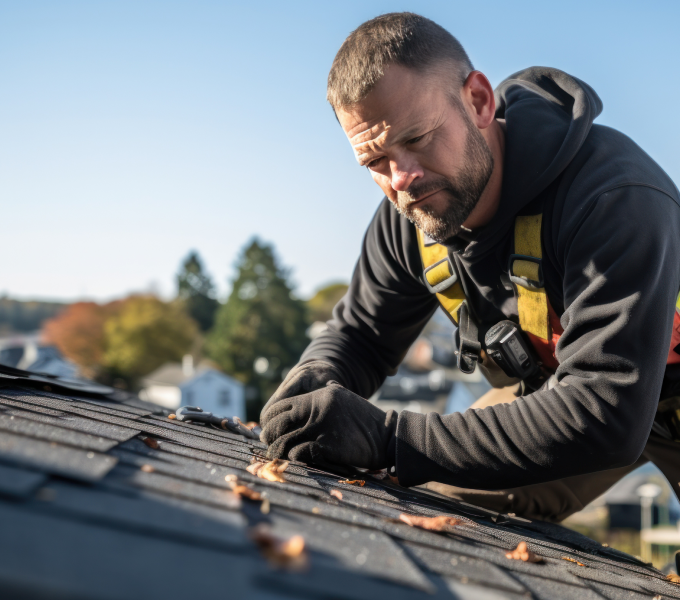
Roof leak water mitigation is the immediate professional response to stop, contain, and remediate water damage caused by roof failures. This critical process involves rapid water extraction, structural drying, and prevention of secondary damage like mold growth. Speed is the name of the game – the longer water sits in your home, the more extensive and expensive the damage becomes.

At Patriot Restoration, we understand that roof leaks can cause significant damage in a short amount of time because they involve actively flowing water under pressure. Unlike other water damage events, roof leaks can continue causing damage until the source is properly addressed and all affected materials are professionally dried.

Common Causes of Roof Leaks in East Tennessee

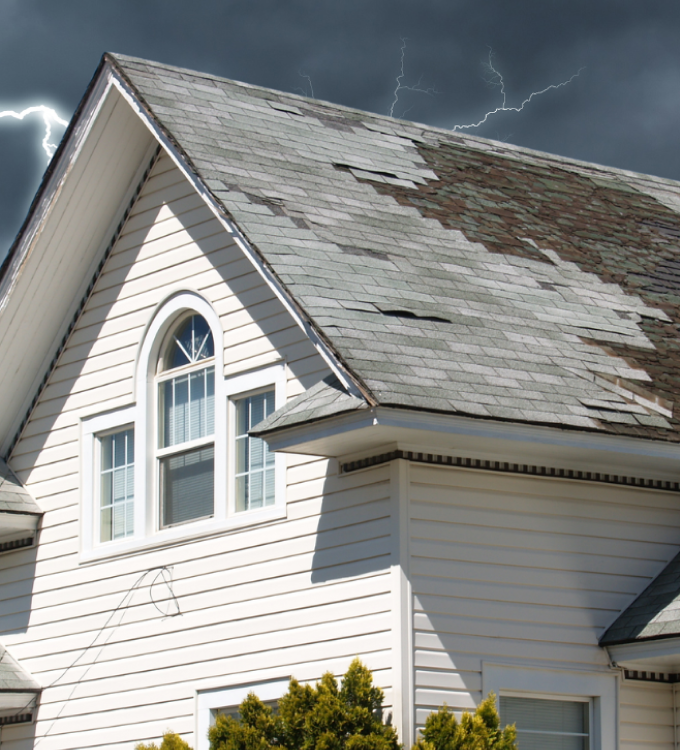
Fast Detection and Repair of Storm Damage Leaks

Weather-Related Damage

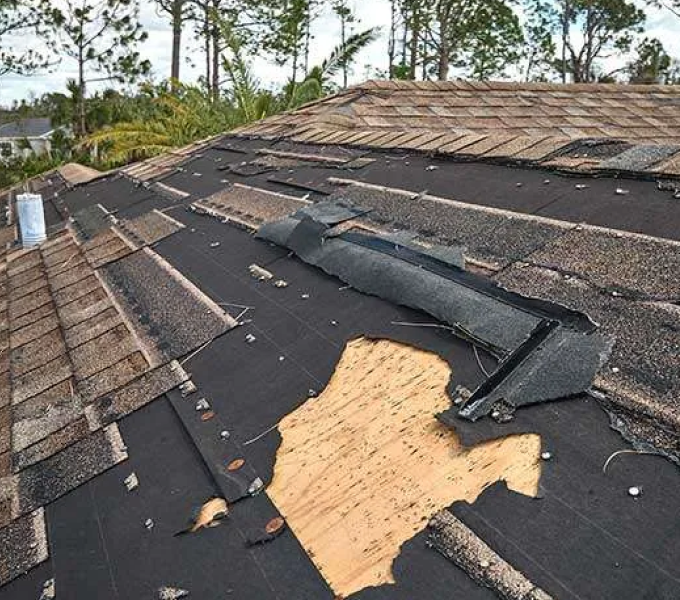
East Tennessee’s climate presents unique challenges for homeowners. Severe storms, hail, and high winds can damage or displace roofing materials, creating immediate entry points for water. Our region experiences significant seasonal weather patterns that can stress roofing systems.
Aging and Deteriorated Materials

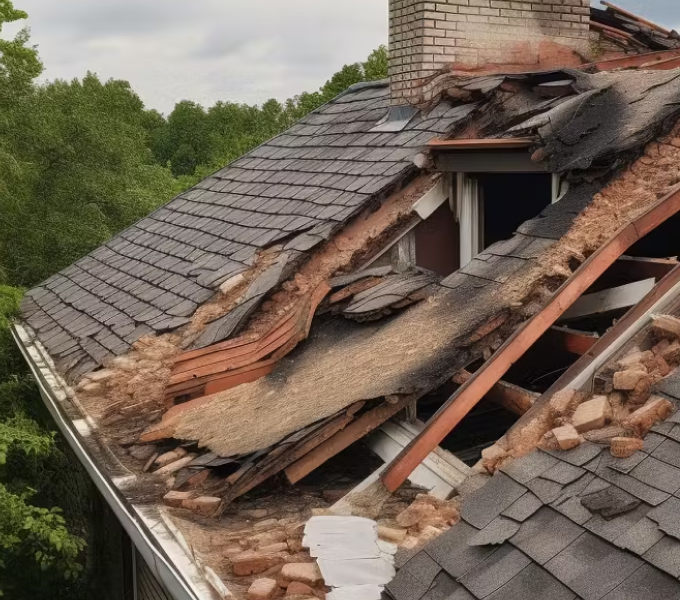
Many homes in our area have aging roofing systems that become vulnerable over time. Shingles can crack, curl, or become loose, while flashing around chimneys, vents, and skylights can deteriorate and fail

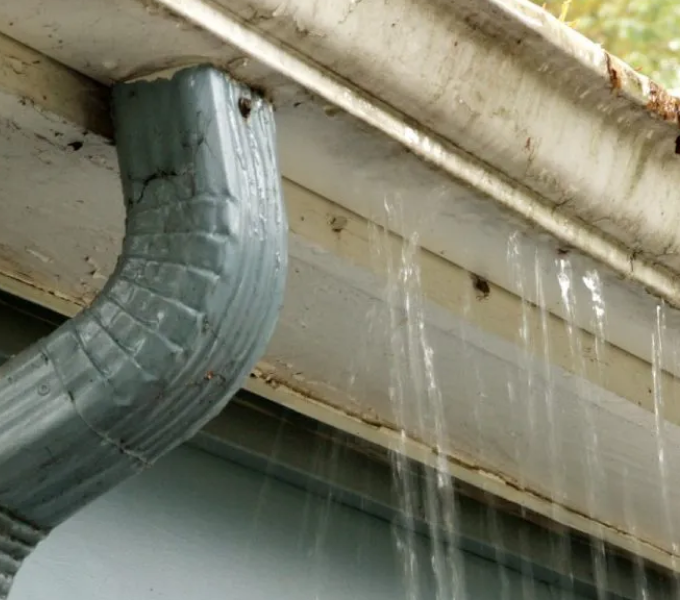
Clogged Gutters and Drainage Issues

Poor drainage is a major contributor to roof leaks. When gutters become clogged with leaves and debris, water can back up under shingles and find its way into your home’s structure.

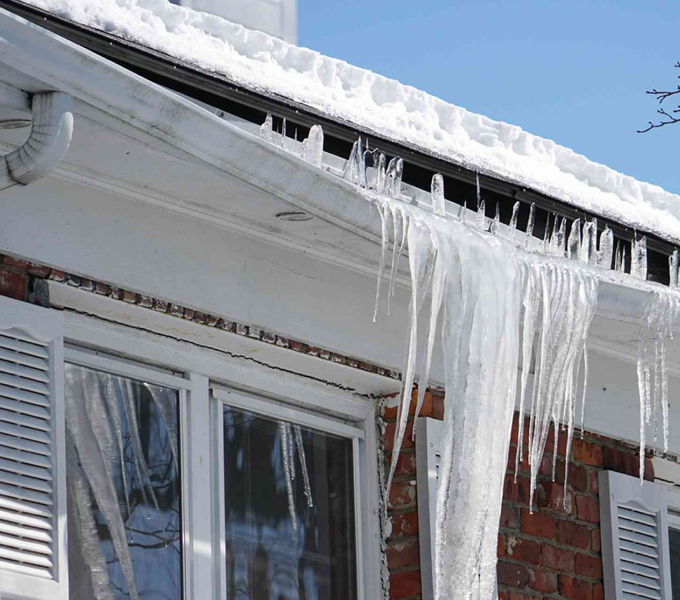
Ice Dams and Winter Damage

During East Tennessee’s winter months, ice dams can form when snow melts and refreezes at the roof’s edge, forcing water back under shingles and into the home.

Installation and Maintenance Issues

Improper installation or deferred maintenance can lead to premature roof failure. This includes inadequate sealing around penetrations, poor flashing installation, or failure to address minor issues before they become major problems.
Recognizing the Signs of Roof Leak Water Damage

Early detection is crucial for minimizing damage. Watch for these warning signs:

Visible Water Damage

  • Water stains on ceilings or walls, often appearing as brown or yellowish discoloration

  • Peeling paint or wallpaper where moisture has penetrated

  • Sagging ceiling tiles or drywall that appears to be pulling away from supports

  • Wet insulation visible in attic spaces

Hidden Indicators

  • Musty odors that could indicate mold growth behind walls or in ceiling cavities

  • Unexplained increases in energy bills due to wet insulation losing effectiveness

  • Dripping sounds during or after rain events

  • Pooling water in attic spaces or crawl areas

Immediate Steps for Homeowners

Safety First

Before attempting any assessment or temporary fixes:

  • Turn off electricity to affected areas if standing water is present

  • Avoid walking on wet floors near electrical outlets or equipment

  • Use proper personal protective equipment including N-95 respirators, goggles, gloves, and protective clothing

Emergency Containment

  1. Place containers under active leaks to catch dripping water
  2. Move furniture and belongings away from affected areas
  3. Document the damage with photos for insurance purposes
  4. Contact professionals immediately – water damage spreads rapidly

When to Call Professionals vs. DIY

While minor roof repairs might seem manageable, professional mitigation is essential when:

  • Water has been present for more than a few hours

  • The affected area is larger than 10 square feet

  • Electrical systems may be compromised

  • Structural damage is suspected

  • You’re unsure about the extent of damage

Professional Roof Leak Mitigation Process

Initial Assessment and Damage Mapping

Our professional team conducts a thorough damage assessment using moisture mapping technology. We work from the source of the leak outward until we find dry material in every direction. This critical step ensures we don’t miss hidden damage that could lead to mold growth later.

Rapid Water Extraction

Using truck-mounted extraction equipment and portable units, we remove standing water quickly. Our extraction process includes:

  • High-powered water removal from floors, carpets, and hard surfaces

  • Extraction from wall cavities and ceiling spaces

  • Removal of water from HVAC systems and ductwork

Structural Drying and Dehumidification

Professional drying equipment is strategically placed to create optimal drying conditions:

  • Industrial-grade dehumidifiers reduce ambient humidity

  • Air movers accelerate evaporation and circulation

  • Monitoring equipment tracks moisture levels in materials

  • Thermal imaging identifies hidden moisture pockets

Cleaning and Sanitization

Before drying begins, we perform a comprehensive cleaning and sanitization process:

  • Bio-wash treatment of all affected surfaces

  • Antimicrobial application to prevent mold growth

  • Cleaning of HVAC systems to prevent contamination spread

Monitoring and Documentation

Throughout the process, we:

  • Monitor moisture levels in all affected materials

  • Document the drying process for insurance purposes

  • Communicate progress to homeowners and adjusters

  • Conduct final inspections to ensure complete drying

Health and Safety Considerations

Mold Prevention

Mold can begin growing within 24-48 hours of water exposure. Our mitigation process is designed to prevent mold growth through:

  • Rapid moisture removal

  • Proper ventilation and air circulation

  • Antimicrobial treatments

  • Humidity control

Personal Protective Equipment

During any cleanup activities, proper PPE is essential:

  • N-95 respirators to protect against mold spores and dust

  • Goggles without ventilation holes to protect eyes

  • Long-sleeved shirts and pants to protect skin

  • Gloves appropriate for cleaning solutions used

  • Boots or work shoes for foot protection

Electrical Safety Concerns

Water and electricity create dangerous conditions:

  • Never enter flooded areas with electrical equipment still energized

  • Have electrical systems inspected before restoration

  • Use battery-powered equipment when possible during initial response

Materials and Areas Commonly Affected

Expert Ceiling and Attic Drying to Prevent Mold

Ceiling and Structural Elements

  • Ceiling tiles typically require replacement after water exposure

  • Drywall and gypsum board may be dried in place if damage is limited

  • Insulation (both fiberglass and cellulose) often requires replacement

  • Wooden structural elements require careful drying to prevent warping

Flooring Systems

  • Carpet and padding can often be saved with immediate professional attention

  • Hardwood flooring requires specialized drying techniques

  • Tile and vinyl flooring may need subfloor attention

  • Concrete floors require extraction and dehumidification

HVAC Systems and Ductwork

Roof leaks can impact HVAC systems through:

  • Contaminated ductwork requiring cleaning or replacement

  • Wet insulation in air handling units

  • Moisture in return air plenums above ceiling tiles

Personal Belongings

  • Furniture may be salvageable with proper drying techniques

  • Electronics require specialized restoration services

  • Documents and photos need immediate attention to prevent permanent damage

  • Clothing and fabrics can often be professionally cleaned and restored

Advanced Mitigation Techniques

Moisture Detection Technology

Our advanced equipment includes:

  • Thermal imaging cameras to identify hidden moisture

  • Moisture meters for precise measurement in various materials

  • Hygrometers to monitor environmental conditions

  • Data loggers for continuous monitoring

Specialized Drying Equipment

  • Truck-mounted extractors for maximum water removal power

  • Low-grain refrigerant dehumidifiers for efficient moisture removal

  • Axial and centrifugal air movers for optimal air circulation

  • Injectidry systems for drying wall cavities and hard-to-reach areas

Containment Procedures

For larger affected areas, we implement:

  • Plastic sheeting barriers to prevent contamination spread

  • Negative air pressure systems to control airflow

  • HEPA filtration to maintain air quality

  • Controlled access points to minimize exposure

Mold Prevention and Remediation

The Critical 48-Hour Window

Mold growth can begin within 24-48 hours of water exposure. Our rapid response protocol is designed to prevent mold growth through:

  • Immediate moisture removal

  • Proper ventilation and air circulation

  • Antimicrobial treatments

  • Environmental controls

Professional Cleaning Procedures

When mold is present, we follow EPA guidelines:

  • Assessment of affected areas and materials

  • Containment to prevent spore spread

  • Removal of contaminated materials that cannot be cleaned

  • Cleaning of surfaces with appropriate antimicrobials

  • Verification that remediation is complete

Material Disposal vs. Restoration

Our professionals determine what can be saved based on:

  • Type of material and its porosity

  • Extent of contamination and water exposure time

  • Cost-effectiveness of restoration vs. replacement

  • Health and safety considerations for occupants

Insurance and Cost Considerations

What Insurance Typically Covers

Most homeowners’ insurance policies cover roof leak damage when it’s caused by:

  • Sudden and accidental events like storm damage

  • Covered perils such as hail, wind, or falling objects

  • Resulting water damage to personal property and structures

Documentation Requirements

Proper documentation is essential for insurance claims:

  • Immediate photo documentation of damage

  • Professional damage assessment reports

  • Detailed inventory of affected items

  • Moisture readings and drying logs

Average Costs for Mitigation Services

The cost of roof leak mitigation varies based on:

  • Size of affected area and extent of damage

  • Type of materials involved (carpet, hardwood, etc.)

  • Complexity of drying required

  • Duration of mitigation process

Average residential water loss costs $7,000, but catching problems early can significantly reduce expenses.

Working with Insurance Adjusters

Our team assists with:

  • Direct communication with insurance adjusters

  • Detailed documentation of all work performed

  • Scope of work development for restoration

  • Coordination with reconstruction contractors

Choosing a Professional Mitigation Company

Essential Certifications and Qualifications

Look for companies with:

  • IICRC certification in water damage restoration

  • Proper licensing and insurance coverage

  • Experience with insurance claims processes

  • 24/7 emergency response capabilities

Questions to Ask Potential Contractors

  • How quickly can you respond to emergencies?

  • What certifications do your technicians hold?

  • Do you work directly with insurance companies?

  • What equipment do you use for water extraction and drying?

  • Can you provide references from recent customers?

Red Flags to Avoid

Be cautious of contractors who:

  • Door-to-door solicit after storms

  • Demand payment before insurance approval

  • Lack proper licensing or insurance

  • Cannot provide references or proof of certification

  • Pressure you to sign immediately

Why Choose Patriot Restoration

As East Tennessee’s trusted water damage restoration experts, we offer:

  • Immediate 24/7 emergency response

  • Certified technicians with extensive local experience

  • Direct insurance billing and claims assistance

  • Advanced equipment and proven methodologies

  • Comprehensive communication throughout the process

Prevention and Maintenance Tips

Regular Roof Inspections

Schedule professional inspections at least twice yearly:

  • Spring assessment after winter weather

  • Fall preparation before severe weather season

  • Post-storm evaluations after significant weather events

Gutter Maintenance

Proper gutter function is essential:

  • Clean gutters regularly to prevent backups

  • Install gutter guards to reduce debris accumulation

  • Ensure proper drainage away from the foundation

  • Check for loose or damaged sections seasonally

Attic Ventilation

Proper attic ventilation prevents moisture buildup:

  • Adequate intake vents under eaves

  • Sufficient exhaust vents at the ridge

  • Proper insulation to prevent heat loss

  • Regular inspection for signs of moisture

Warning Signs to Monitor

Watch for these indicators of potential problems:

  • Loose or missing shingles after storms

  • Granule accumulation in gutters

  • Cracked or damaged flashing around penetrations

  • Sagging roof lines or structural changes

Emergency Response and 24/7 Services

When to Call Emergency Services

Contact us immediately if you experience:

  • Active water intrusion during or after storms

  • Significant ceiling staining or sagging

  • Electrical hazards combined with water

  • Structural concerns about roof integrity

What to Expect During Initial Response

Our emergency response includes:

  • Immediate assessment of safety hazards

  • Temporary containment of water intrusion

  • Initial damage evaluation and documentation

  • Equipment deployment for water extraction

  • Communication with insurance companies

Equipment and Techniques Used

Our emergency response equipment includes:

  • Truck-mounted extraction units for rapid water removal

  • Portable extractors for hard-to-reach areas

  • Industrial dehumidifiers for moisture control

  • Air movers for enhanced evaporation

  • Moisture detection equipment for hidden damage

Case Studies and Success Stories

Residential Storm Damage Response

Challenge: A severe thunderstorm damaged roof shingles on a two-story home, causing water to flood the master bedroom and seep into the ceiling below.

Solution: Our team responded within 30 minutes, contained the water intrusion, and began immediate extraction. Using thermal imaging, we identified hidden moisture in wall cavities and implemented targeted drying.

Result: Complete restoration within 5 days with no mold growth and minimal disruption to the family.

Commercial Building Roof Leak

Challenge: A 20,000 square foot commercial facility experienced a burst fire suppression line under the foundation, flooding the entire space with three inches of water and mud.

Solution: Our team deployed multiple truck-mounted extractors and industrial drying equipment, working around the clock to extract water and establish proper drying conditions.

Result: Successful restoration of the brewery, ax throwing venue, and office space with full business operations restored within two weeks.

Hidden Moisture Discovery

Challenge: A homeowner noticed a musty smell but couldn’t identify the source. Our investigation revealed a slow roof leak that had been occurring for months behind a wall.

Solution: Using moisture mapping and thermal imaging, we identified the full extent of damage and implemented comprehensive remediation including selective demolition and antimicrobial treatment.

Result: Complete remediation with no health impacts to occupants and prevention of structural damage.

Frequently Asked Questions About Roof Leak Water Mitigation
What makes Patriot Restoration different?2025-08-02T05:52:07+00:00

Our local expertise, rapid response, and comprehensive approach set us apart. We understand East Tennessee’s unique challenges and have the experience and equipment to handle any size water damage event.

Do you work with all insurance companies?2025-08-02T05:51:51+00:00

Yes, we work with all major insurance companies and can bill directly in many cases. Our team assists with claims documentation and communicates directly with adjusters.

What happens if mold is already present?2025-08-02T05:51:31+00:00

We’re certified in mold remediation and can address existing mold growth as part of the mitigation process. This may involve additional containment, removal of contaminated materials, and specialized cleaning procedures.

How do you prevent mold growth?2025-08-02T05:51:13+00:00

Our process is designed to prevent mold through rapid moisture removal, proper ventilation, antimicrobial treatments, and environmental controls. We follow EPA guidelines for mold prevention.

Can I stay in my home during mitigation?2025-08-02T05:50:57+00:00

In most cases, yes. We work to minimize disruption and can often isolate affected areas. However, extensive damage may require temporary relocation for safety reasons.

How long does the mitigation process take?2025-08-02T05:50:46+00:00

Timeline depends on the extent of damage, but most residential projects are completed within 3-5 days. Larger or more complex situations may require additional time for proper drying.

Will my insurance cover roof leak damage?2025-08-02T05:49:58+00:00

Most policies cover sudden and accidental damage from covered perils. However, coverage depends on the cause of the leak and your specific policy terms. We work directly with insurance companies to ensure proper coverage.

How quickly should I respond to a roof leak?2025-08-02T05:49:40+00:00

Immediate action is critical. Water damage spreads rapidly, and mold growth can begin within 24-48 hours. The sooner professional mitigation begins, the less damage occurs and the lower the overall cost.

How quickly should I respond to a roof leak?2025-08-01T20:27:25+00:00

Immediate action is critical. Water damage spreads rapidly, and mold growth can begin within 24-48 hours. The sooner professional mitigation begins, the less damage occurs and the lower the overall cost.

Don’t Wait – Water Damage Spreads Rapidly

Roof leaks require immediate professional attention. The longer water sits in your home, the more extensive and expensive the damage becomes. Our certified technicians are available 24/7 to respond to your emergency.

Call Patriot Restoration now at (865) 272-2350 for immediate response.

Why Choose Patriot Restoration?

  •  24/7 Emergency Response – We’re here when you need us

  • Certified Technicians – IICRC-certified professionals

  • Direct Insurance Billing – We handle the paperwork

  • Advanced Equipment – Industrial-grade restoration tools

  • Local Expertise – Deep understanding of East Tennessee challenges

  • Comprehensive Service – From emergency response to complete restoration

Get your free assessment today. Contact us at (865) 272-2350 or fill out our emergency response form.

  • Emergency Service Available 24/7

    Call (865) 272-2350 Now

Serving East Tennessee with professional water damage restoration services. Licensed, bonded, and insured.

Go to Top